-
27. edycja konferencji Secure
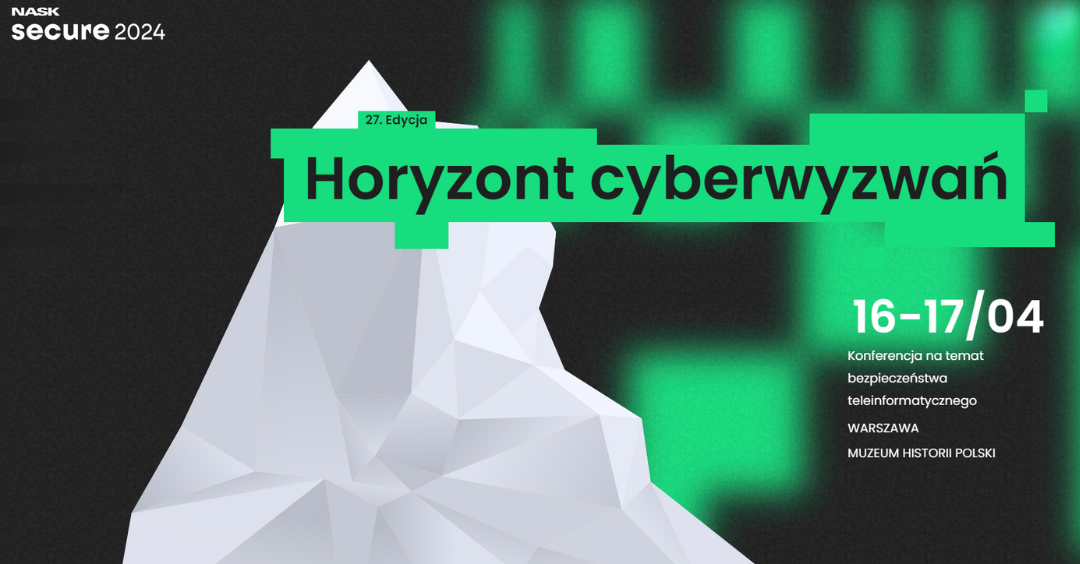
Za nami 27. edycja konferencji Secure. Były to dwa dni wypełnione wiedzą i ważnymi dyskusjami, ale także znakomita okazja do nawiązania kontaktów z innymi specjalistami z dziedziny cyberbezpieczeństwa. Przestrzeń naszej konferencji to miejsce, w którym mogą się spotkać różne spojrzenia, podejścia i aspekty (cyber)bezpieczeństwa.
Czytaj więcej -
Raport roczny z działalności CERT Polska w 2023 roku
Nowoczesne technologie w obszarze cyberbezpieczeństwa są dla nas tylko narzędziem wspierającym nasze codzienne działania. To ludzie, którzy ich używają naprawdę dokonują zmian. W CERT Polska mamy takich ludzi, a 2023 rok przyniósł nam wiele istotnych zmian, o których opowiadamy w tej publikacji.
Czytaj więcej -
Wstęp do deepfake
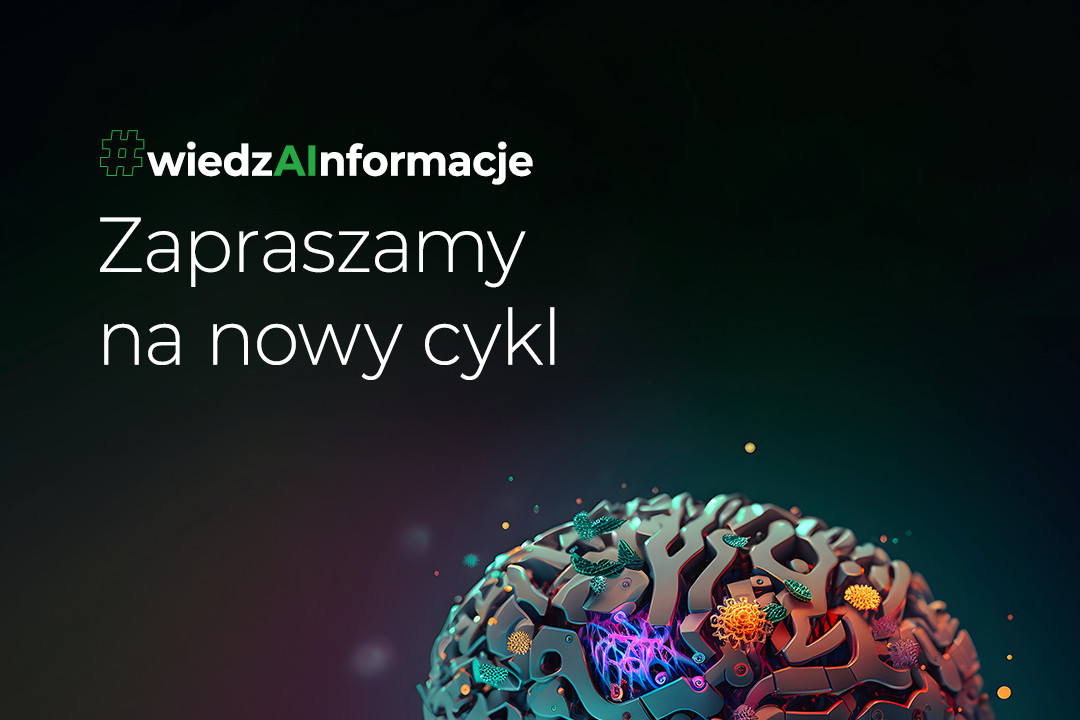
Czy sztuczna inteligencja przejmie władzę nad światem? Czy AI jest w stanie zmylić naszą percepcję? Czy łatwo jest odróżnić rzeczywistość od manipulacji? Czym jest deepfake i czy zawsze oznacza coś złego? I czy człowiek może pokochać maszynę?
Czytaj więcej -
Podatności w oprogramowaniu Comarch ERP XL

W oprogramowaniu Comarch ERP XL wykryto trzy podatności (CVE-2023-4537, CVE-2023-4538, CVE-2023-4539).
Czytaj więcej -
Kampania Balada Injector infekuje strony WordPress wykorzystując popularne wtyczki

W ostatnich tygodniach zespół CERT Polska obserwuje wzmożoną kampanię ataków z użyciem szkodliwego oprogramowania Balada Injector, które infekuje strony oparte na WordPressie korzystając z podatności w niektórych popularnych wtyczkach.
Czytaj więcej -
Cyberbezpieczeństwo ponad granicami: Projekt FETTA czyli pogłębienie współpracy w zakresie rozpoznania zagrożeń cyberprzestrzeni EU

Jednym z kluczowych wyzwań związanych z europejskim cyberbezpieczeństwem jest zależność od danych pochodzących z krajów spoza UE. Projekt FETTA (Federated European Team for Threat Analysis, pol. Europejski Zespół Analizy Zagrożeń) ma na celu rozwiązanie tego problemu poprzez utworzenie międzynarodowego zespołu opracowującego produkty i narzędzia z zakresu Cyber Threat Intelligence (CTI).
Czytaj więcej -
Cyberbombki - podsumowanie
Okres świąteczny powoli dobiega końca, zatem najwyższy czas ostatecznie rozprawić się z cyberbombkami. W grudniu przygotowaliśmy dla Was cykl „Rozbrajamy cyberbombki”, w którym obalaliśmy najpopularniejsze mity dotyczące cyberbezpieczeństwa.
Czytaj więcej -
Secure 2024 - znamy datę!

Secure to dwudniowa konferencja poświęcona strategicznym wyzwaniom w cyberprzestrzeni. Wydarzenie odbędzie się w dniach 16-17 kwietnia w Muzeum Historii Polski w Warszawie. Tegoroczna edycja odbywa się pod hasłem "Horyzont cyberwyzwań".
Czytaj więcej -
Rosyjska Służba Wywiadu Zagranicznego (SVR) wykorzystuje podatność w oprogramowaniu TeamCity do szeroko zakrojonych działań.
Zespół CERT Polska oraz Służba Kontrwywiadu Wojskowego wraz z zagranicznymi partnerami wykryły, że Rosyjska Służba Wywiadu Zagranicznego (SVR) wykorzystuje podatność CVE-2023-42793 (w JetBrains TeamCity) do szeroko zakrojonych działań, skierowanych przeciwko podmiotom wytwarzającym oprogramowanie.
Czytaj więcej -
Artemis działa już rok - sprawdź efekty
Rok 2023 to kolejne działania CERT Polska poprawiające bezpieczeństwo polskiego internetu. Jednym z zainicjowanych w tym czasie projektów był Artemis. Dwanaście miesięcy działania dało imponujące efekty - przeskanowaliśmy ponad 50 tys. domen i adresów IP, odkrywając blisko 180 tys. podatności lub błędnych konfiguracji.
Czytaj więcej